Yes, these might feel a bit “over the top” for most people, but imagine the look on a burglar’s face when they realise they can’t easily sell your stuff on. Burglary is unlikely to happen to you – but if it ever does, you’ll absolutely kick yourself if you haven’t done at least a few of these. Links to third-party sites might be affiliate link ads
1) Register serial numbers on the Immobilise website (free)
If something is stolen and later recovered, the Police can search this database and link it back to you. It also helps with any prosecution.
It’s also worth photographing valuables and keeping copies of purchase receipts (for insurance claims).
2) Mark your valuables with your postcode and house number and fix AirTags to them!
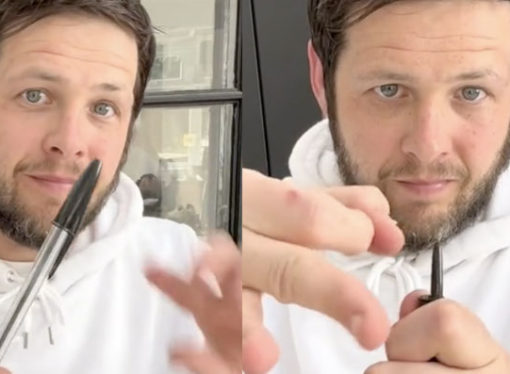
Use a Permanent UV pen | Mini Engraver on the back/underside of items to mark items, this means something will take longer to sell so more likely will be left.
Attaching AirTags (buy them on offer here or the cheaper alternative from UGREEN here) are a great way to secure your stuff, even more so if you follow this hack and use these hidden mounts). See 14 more ways to use AirTags here.

3) Don’t PUBLICLY advertise when your house is empty
Avoid posting on social media that you’re on holiday, out for the evening or away for the weekend, unless your privacy settings are locked down so only a handful of people you genuinely trust can see. It’s not urgent, your friends or followers can easily be informed severals days later, or not at all!
4) [Obvious but often forgotten] Around 40% of burglaries involve no forced entry
In other words, they just walk or climb into your house through unlocked doors and windows.
Get into the habit of keeping doors and windows locked, even if you’re “just” in another room – especially in student or high-turnover areas.
For vulnerable glass doors/windows consider some cheap window alarms, or if you can invest in some smart window alarms paired with an alarm system.

5) Set up cameras, ideally wired ones
Modern CCTV is crazy cheap and provides great quality, WIFI cameras are easy but can be forced to stop working (although it’s very unlikely), person alerts, video backup etc all come at extra costs but arguably it’s probably worth it… unless someone covers their face.
Some good options:
6) Hide or lock away valuables when nobody is home
It takes 30 seconds to do a quick sweep of the house, but it could save you thousands.
Think less “top drawer” and more awkward places: under the sofa, in the laundry, or ideally in a locked safe that’s bolted to the floor.
7) Use a few smart plug / timers
Lights or devices that mimic that you’re home are invaluable, some simple but fairly sophisticated smart plugs are a great starting point, plug in lamps, a radio, etc. so your home looks lived in when you’re away. This should be standard for anyone away for more than a night or two. They even sell fake TV lights or use smart bulbs with away features.

8) Consider taking your essentials to bed with you
Car keys, wallet, handbag and other valuables can be kept upstairs so you know where they are in case of fire, and they’re harder to grab in a quick break-in.
NOTE: Lots of people prefer to leave keys downstairs so a criminal can take the car and leave, rather than come upstairs near their family. There’s no single “right” answer here – you’ll need to decide what you’re most comfortable with.
9) Don’t leave keys/valuables “hidden” outside
Under the doormat, plant pot or bin isn’t hiding – it’s an invitation.
If you absolutely must leave a key out, use something like this and fix it somewhere less obvious (e.g. low down, behind a gate, in a bush) or fix this to the wall.
10) Some experts suggest a small “sacrificial” cash stash
The idea: leave £40–£80 (depending on where you live) somewhere fairly easy to find. A burglar might grab it and leave quickly, thinking they’ve found the main cash, instead of tearing the whole house apart.
The downside: some might see it as a sign you’re so comfortable you leave cash lying around, which could backfire. It’s a personal call.
If you do want to hide cash buy a safe can or an actual safe
You may also like:
- I’ve purchased something but I think it might be a stolen item, what do I do?
- 10 ways to prevent household fires
- Emergency Grab n Go Bags explained (our bags opened and shown)